
Introduction
Fluoride application is a simple dental treatment that helps protect your teeth from cavities. Many dentists recommend it for both children and adults. In fact, fluoride treatment for teeth can make your smile stronger and healthier. But how does it work, and is it safe? This blog explains everything you need to know about professional fluoride application, its benefits, the process, and safety tips.
What Is Fluoride Application?
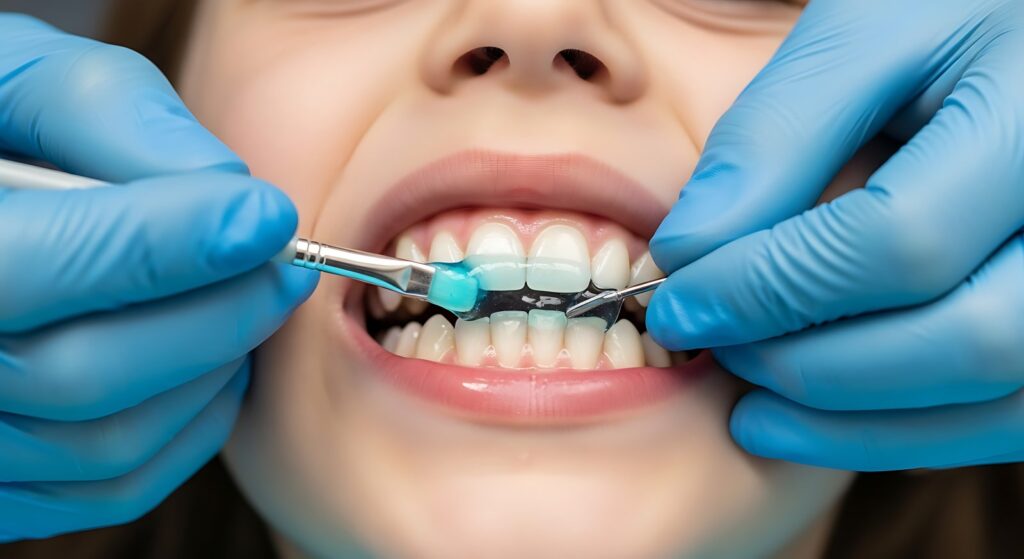
Fluoride is a natural mineral found in water, soil, and some foods. Dentists use fluoride to help prevent tooth decay. During a fluoride application, your dentist puts a special gel, foam, or varnish on your teeth. This treatment is quick and painless. Usually, it takes only a few minutes. Afterward, your teeth become more resistant to cavities and acid attacks.
How Does Fluoride Application Help?
Fluoride works by making the outer layer of your teeth, called enamel, stronger. When you eat or drink, acids can weaken this layer. However, fluoride helps repair and protect it. As a result, your teeth are less likely to get cavities. In addition, fluoride can even reverse early signs of tooth decay. According to the Centers for Disease Control and Prevention (CDC), fluoride is one of the best ways to prevent dental cavities.
Benefits of Fluoride Application
There are many reasons to consider fluoride treatment for teeth. Some of the main benefits include:
Moreover, fluoride application can save you money by lowering the need for fillings or other dental work.
The Fluoride Application Process
The process of professional fluoride application is simple. First, your dentist will clean your teeth. Next, they will apply a fluoride gel, foam, or varnish using a brush, tray, or swab. Usually, the treatment takes less than five minutes. After the application, you may be asked not to eat or drink for 30 minutes. This helps the fluoride soak into your teeth. Most people get this treatment every six months, but your dentist may suggest a different schedule based on your needs.
Safety and Side Effects
Fluoride application is safe when done by a dental professional. The amount of fluoride used is carefully measured. Side effects are rare, but some people may notice mild temporary changes, such as:
However, these effects are uncommon. The American Dental Association (ADA) and World Health Organization (WHO) both support the use of fluoride for dental cavity prevention. If you have concerns, talk to your dentist before treatment.
Who Should Consider Fluoride Application?
Almost everyone can benefit from fluoride application, but some people need it more. For example, you may need it if you:
Children, teens, and adults can all receive fluoride treatments. Your dentist will help decide if it is right for you.
Prevention and Oral Care Tips
While fluoride application is helpful, good oral care is still important. To keep your teeth healthy, follow these tips:
By combining these habits with professional fluoride application, you can lower your risk of dental problems.
Conclusion
In summary, fluoride application is a safe and effective way to protect your teeth. It helps prevent cavities, strengthens enamel, and supports good oral health. If you want to know if fluoride treatment is right for you, consult Dr Shilpa Reddy for personalized advice.