
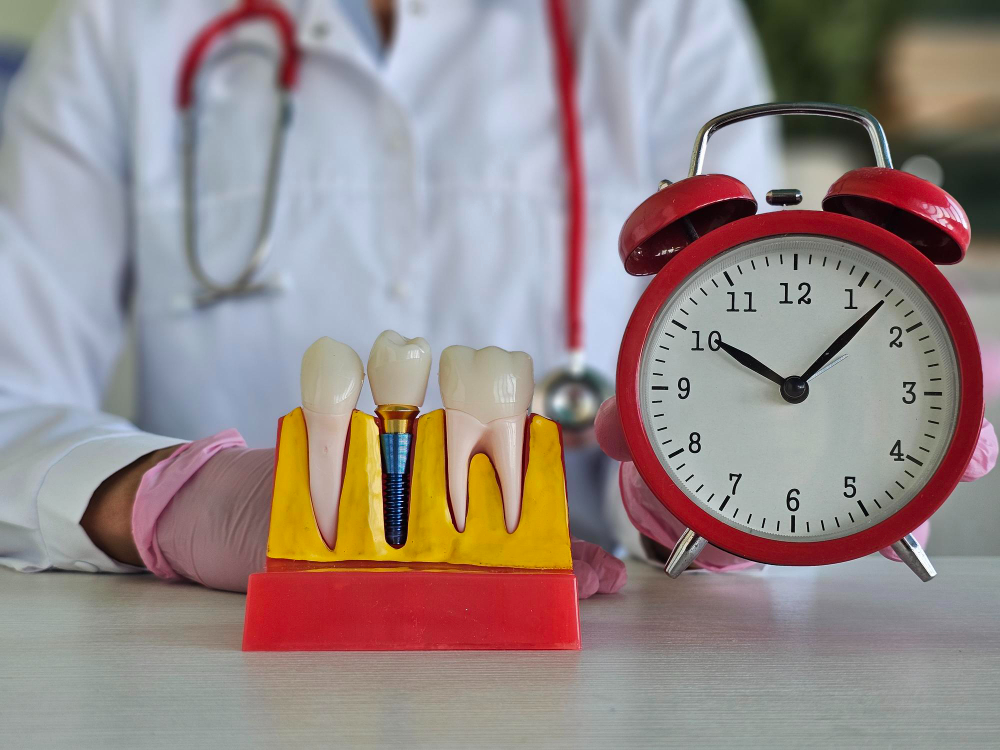
What Are Dental Implants?
Dental implants are artificial tooth roots. Dentists place them in your jawbone to hold a replacement tooth. Usually, they look and feel like natural teeth. Many people choose implants because they are strong and long-lasting. In fact, dental implants can help you chew, speak, and smile with confidence. According to the World Health Organization, dental implants are a safe and effective way to replace missing teeth.
Can You Get a Dental Implant Years After Tooth Loss?
Many people wonder, “Can I get a dental implant years later?” The answer is often yes. Even if you lost a tooth years ago, you may still be able to get an implant. However, some factors can affect your eligibility. For example, bone loss or gum problems may make the process more complex. Still, with new dental techniques, many people qualify for a dental implant after years of tooth loss.
Factors Affecting Late Dental Implant Eligibility
Several things can affect your ability to get a dental implant after years of tooth loss. But, dentists can often find solutions. Here are some important factors:
Therefore, a dentist will check these factors before recommending a late dental implant.
The Implant Procedure for Long-Term Tooth Loss
If you lost a tooth years ago, the implant process may involve extra steps. First, your dentist will examine your mouth and take X-rays. Sometimes, a bone graft is needed to build up the jawbone. After the bone heals, the dentist places the implant in your jaw. Next, you wait a few months for the implant to bond with the bone. Finally, a new tooth is attached to the implant. Although the process takes time, many people find it worth the wait.
Benefits and Risks of Delayed Dental Implants
Getting a dental implant after years of tooth loss has many benefits. For example, it can:
However, there are some risks. For instance, bone loss can make the procedure harder. There is also a small chance of infection or implant failure. But, most people have good results, especially with proper care. The American Dental Association notes that dental implants have a high success rate.
Prevention and Oral Care Tips After Tooth Loss
Even if you lost a tooth years ago, you can still protect your oral health. Here are some tips:
By following these steps, you can improve your chances of a successful implant.
When to Consult a Dentist
If you are thinking about a dental implant after years of tooth loss, it is best to see a dentist. Even if you have bone loss or gum problems, new treatments may help. Your dentist can check your mouth, discuss your options, and create a plan that fits your needs. Early advice can make the process smoother and increase your chances of success.
In summary, you can often get a dental implant years after losing a tooth. However, your dentist will check your bone, gums, and overall health first. Consult a dental specialist Shilpa Reddy to discuss your options for dental implants after tooth loss.